
Importing Leather Footwear from India to the UAE: CEPA Duty Guide

Leather footwear from India to UAE enters at 0% customs duty under the India-UAE CEPA, in force since 1 May 2022, provided the shipment carries a valid preferential certificate of origin. Without one, the UAE's standard 5% duty on CIF value applies. Import VAT of 5% is payable either way. Updated October 2026.
Key Takeaways
The India-UAE CEPA entered into force on 1 May 2022, and the UAE gave 0% duty on Indian leather, leather goods and footwear (HS Chapters 41, 42, 43 and 64) from day one.
Without a CEPA claim, UAE customs duty is 5% of the CIF value under the GCC common external tariff.
UAE VAT of 5% is charged on imports with or without CEPA.
To qualify, goods need at least 40% qualifying value content, a tariff-classification change for non-originating materials, and a DGFT electronic certificate of origin.
CEPA covers the UAE only; Oman has a separate CEPA in force since 1 June 2026, and India-GCC FTA talks are still at an early stage (as of October 2026).
What duty do UAE importers pay on leather footwear from India?
With a valid CEPA certificate of origin, they pay 0% customs duty and 5% VAT. The Council for Leather Exports confirms the UAE's duty exemption for Indian footwear and components (Chapter 64), alongside leather, leather goods and garments.
If the certificate is missing, rejected or the goods don't meet the origin rules, the shipment falls back to the standard GCC tariff of 5% on CIF value. On a container of shoes that is a cost you can avoid with paperwork, so it pays to agree the certificate before production starts.
Scenario | Customs duty | Import VAT | What you need |
CEPA claim with valid certificate of origin | 0% | 5% | DGFT eCoO matching the commercial invoice, goods meeting CEPA origin rules |
No certificate or goods not qualifying | 5% of CIF value | 5% (on CIF + duty) | Commercial invoice, packing list, bill of lading or airway bill |
Goods stored in a UAE free zone | Generally suspended while in the zone | Depends on zone status | Duty and VAT position settled when goods enter the mainland; confirm with your broker |
How do Indian leather shoes qualify for CEPA zero duty?
They must count as Indian-originating goods under CEPA's rules of origin. According to India's CEPA FAQs, a product needs a qualifying value content of at least 40%, and all non-originating materials must change tariff classification at the four- or six-digit level.
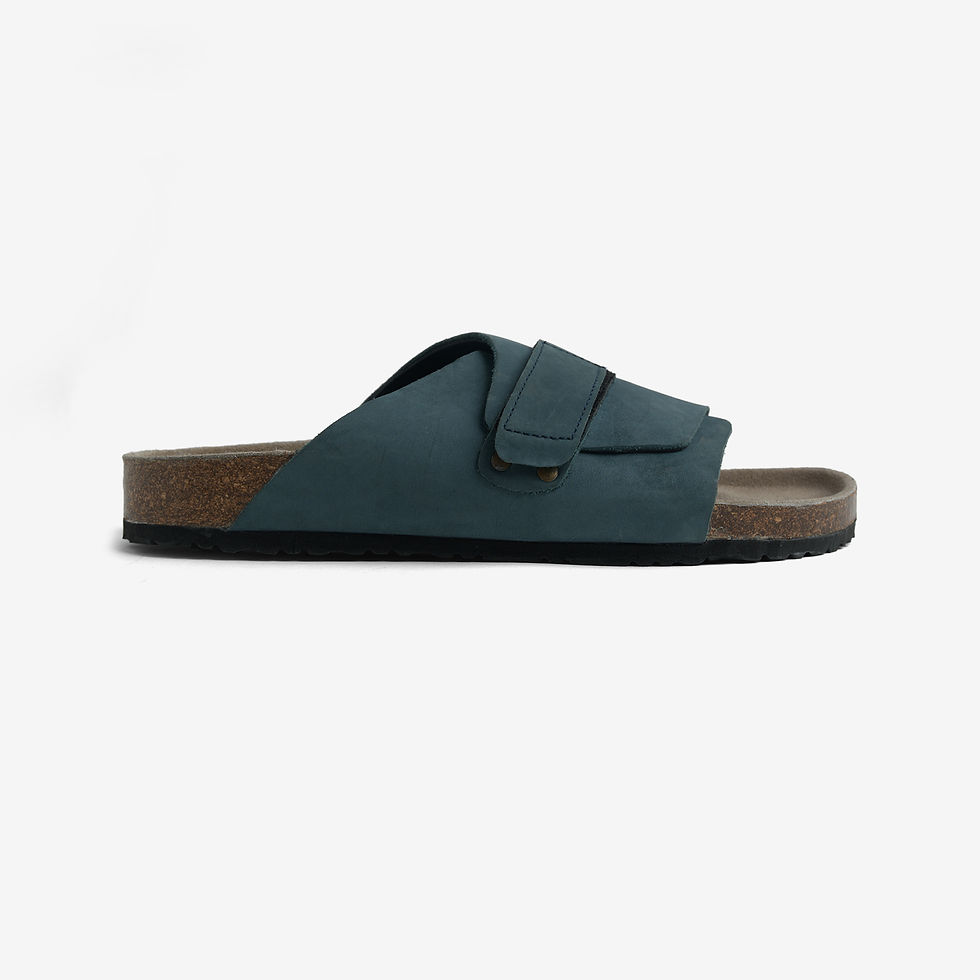
For a shoe cut and lasted in Jalandhar from Indian-tanned leather, origin is usually straightforward. Watch imported components such as soles, linings or branded hardware: ask your factory to confirm the bill of materials and value content before you rely on 0% duty.
The certificate itself is electronic. Under DGFT Trade Notice 05/2022-23, exporters apply on the eCoO platform with a Class III digital signature, and each certificate carries a QR code for verification.
Which leather products from India get 0% duty in the UAE?
Every leather chapter covered by CEPA's immediate elimination is duty-free for qualifying Indian goods:
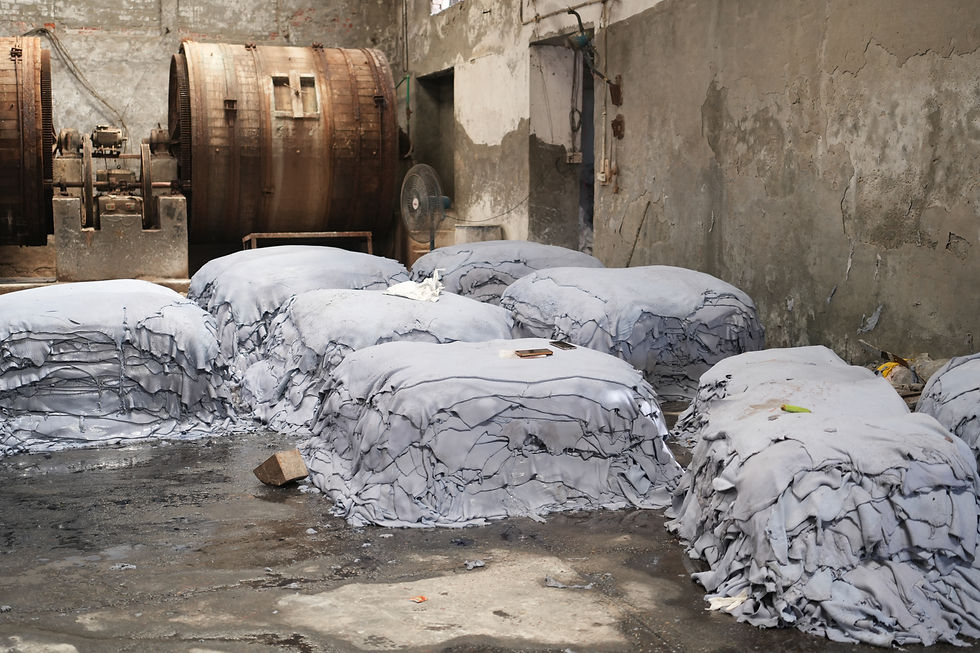
Finished leather and hides (Chapter 41) for UAE leather goods makers and upholstery projects; see our leather hides supply page.
Leather garments, jackets, bags and accessories (Chapter 42).
Fur and fur products (Chapter 43).
Footwear and components (Chapter 64), from formal shoes to men's leather footwear and women's styles.

Does the India-UAE CEPA cover Saudi Arabia and the rest of the GCC?
No. CEPA is a bilateral India-UAE agreement, so it sets duty only on imports into the UAE.
Oman is the one other Gulf market with its own deal: the India-Oman CEPA entered into force on 1 June 2026, with Oman granting duty-free access on 98.08% of its tariff lines. For Saudi Arabia, Qatar, Kuwait and Bahrain, India and the GCC signed terms of reference to restart FTA negotiations in February 2026, but no bloc-wide agreement is in force as of October 2026.
What should a UAE brand include in its first order brief?
A clear brief makes the CEPA claim and the product right first time. Cover these points:
A tech pack or reference sample per style; our guide to briefing a leather footwear factory lists what to include.
Leather type, finish and colour, with LWG-certified sourcing if traceability matters to your retailers.
Size run and lasts suited to your customers.
Incoterm (FOB Indian port or CIF Jebel Ali) and the named destination port.
A line in the purchase order requiring a CEPA preferential certificate of origin with the shipping documents.
Labelling and conformity requirements for the UAE, confirmed with your customs broker.
Pre-shipment AQL inspection and agreed payment terms (TT or LC).
Selling in the UK as well? The same origin logic applies there; see whether leather shoes from India enter the UK duty-free under CETA.
How Sanwas International works with UAE and GCC brands
For Gulf importers that means MOQ under 500 units per style, complimentary first samples, lead times from 72-hour sampling to 30-day bulk production, and AQL inspection before dispatch. We can build your range under your own label through our private label manufacturing service. Request a quote for your UAE footwear order.
Frequently Asked Questions
Can I import 300 pairs of private label leather shoes from India into Dubai without paying customs duty?
Yes, if the shoes meet the CEPA rules of origin and the shipment carries a valid preferential certificate of origin, UAE customs duty is 0%. You will still pay 5% UAE VAT at import. A 300-pair order is workable at Indian OEM factories such as Sanwas International, whose MOQ is under 500 units per style.
Who issues the certificate of origin for India-UAE CEPA shipments?
The Indian exporter applies for it electronically on DGFT's eCoO platform (coo.dgft.gov.in), signing with a Class III digital signature certificate linked to its IEC. The certificate carries a QR code so UAE customs can verify it. Ask your factory to list the CEPA certificate as a shipping document in your purchase order.
Which Incoterm should a UAE importer use for leather footwear from India?
FOB at an Indian port suits importers with their own freight forwarder; CIF Jebel Ali suits buyers who want the factory to book sea freight. Either way, UAE duty, when it applies, is assessed on the CIF value, and VAT on CIF plus duty. DDP is possible but leaves VAT registration and clearance questions with the seller, so agree it in writing first.
Does CEPA zero duty still apply if I move the shoes from Dubai to Saudi Arabia?
The India-UAE CEPA governs imports into the UAE only; it is not a GCC-wide agreement. Onward movement to Saudi Arabia or other GCC states follows GCC customs union rules and the destination's customs practice, so confirm treatment with your broker before you plan regional distribution. India and the GCC relaunched FTA negotiations in February 2026, but no bloc-wide deal is in force as of October 2026.
Do leather jackets, bags and finished leather from India also enter the UAE duty-free?
Yes. Under CEPA the UAE gave India 0% duty on leathers (HS Chapter 41), leather products including garments and bags (Chapter 42) and fur products (Chapter 43), as well as footwear (Chapter 64). The same rules of origin and certificate requirements apply, and 5% VAT is still due at import.
Sourcing Leather Footwear for the UAE? Request a Quote
Brands, sourcing managers, retailers and importers in Dubai, Abu Dhabi and across the Gulf can share their product category, leather type, target quantity, destination port, preferred Incoterm and target delivery date. Your first samples are complimentary, and Sanwas International supplies buyers across India and exports worldwide.

Comments