
Will Leather Shoes from India Enter New Zealand Duty-Free from 20 October 2026?

Updated October 2026. Yes. From 20 October 2026, New Zealand importers can bring in leather shoes from India with zero customs duty under the NZ-India Free Trade Agreement, as long as the shoes meet the agreement's rules of origin and carry proof of origin. New Zealand's 15% GST still applies, so plan landed cost on that basis when you import leather shoes from India to New Zealand.
Key Takeaways
The NZ-India FTA has been ratified and enters into force on 20 October 2026 (as of October 2026).
New Zealand removes tariffs on 100% of its tariff lines for Indian exports, including Chapters 41, 42 and 64 (leather, leather goods and footwear).
Before the deal, New Zealand's peak tariffs on leather and footwear were up to 10%, across 181 tariff lines now going to zero.
Customs duty falls to zero, but 15% GST is still charged on value plus freight and insurance.
Zero duty needs qualifying Indian origin plus valid proof of origin on every shipment.
What changes for New Zealand importers on 20 October 2026?
Customs duty on qualifying Indian leather footwear drops to zero. New Zealand's Ministry of Foreign Affairs and Trade confirmed that both countries have ratified the agreement, paving the way for entry into force on 20 October 2026. The deal was signed on 27 April 2026, after negotiations concluded in December 2025.
For leather and footwear, India's Department of Commerce fact sheet on the agreement states that pre-FTA peak tariffs of up to 10% are reduced to zero, covering 181 tariff lines for footwear, leather goods and accessories. The same document puts New Zealand's average imports of leather, footwear and related products from the world at about USD 0.51 billion, a market where Indian factories now compete without a tariff gap.

Which leather products from India become duty-free in New Zealand?
All of them, at chapter level. India's Council for Leather Exports told members that New Zealand eliminates tariffs on 100% of its tariff lines, including leathers, leather products and footwear. The table summarises what that means for the product groups most New Zealand brands buy from India.
Product from India | HS chapter | NZ duty before the FTA | NZ duty from 20 Oct 2026* |
|---|---|---|---|
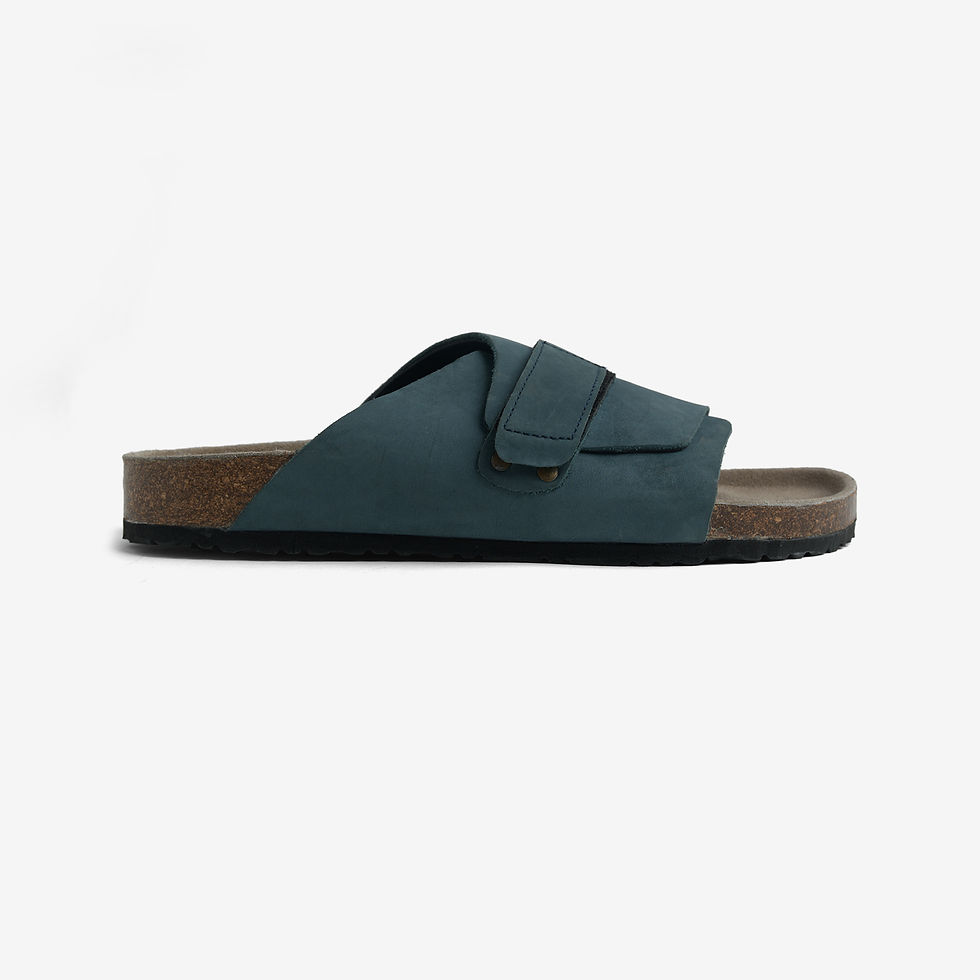
Leather shoes, boots, sandals | 64 | Up to 10% | 0% |
Footwear components (uppers, soles) | 64 | Up to 10% | 0% |
Leather jackets, bags, belts, wallets | 42 | Up to 10% | 0% |
Finished leather and hides | 41 | Varies by line | 0% |
NZ GST at import | All | 15% | 15% (unchanged) |
*Only for goods that meet the FTA rules of origin with valid proof of origin. Confirm the exact tariff item for your product with a licensed New Zealand customs broker before you place the order.
What do you still pay when leather shoes land in New Zealand?
You still pay GST, clearance costs and freight. New Zealand Customs calculates 15% GST on the value of the goods plus any duty payable plus freight and insurance, and any commercial shipment with a customs value over NZ$1,000 needs an electronic import declaration. Goods management levies may also apply.
Packaging matters too. If your cartons travel on wooden pallets or in crates, they must meet the Ministry for Primary Industries' wood packaging import requirements (ISPM 15 treatment and marking), so ask your factory to confirm the pallet type in the packing list.
How do you qualify a leather footwear shipment for zero duty?
Make origin part of the purchase order, not an afterthought. Use this checklist with your supplier:
Confirm the HS code for each style (for example, leather-upper footwear sits in heading 6403) and look up its product-specific rule of origin in the agreement text published by MFAT.
Ask the factory which materials are Indian and which are imported, such as soles, linings or hardware, so origin can be assessed before bulk production.
Name the proof of origin required for the NZ-India FTA as a mandatory shipping document in your purchase order.
Agree the Incoterm so it is clear who books freight and insurance, which both feed into the GST value.
Keep origin records for each shipment in case New Zealand Customs verifies the claim later.
If you already import from India into Australia, the routine will feel familiar, but the paperwork is agreement-specific. Our guide on sourcing suede bomber jackets from India for Australian brands covers the ECTA side, and our explainer on Incoterms for leather orders from India compares FOB, FCA, CIF and DDP in detail.

When should New Zealand brands place orders to benefit?
Plan backwards from when goods will be entered in New Zealand, not from the order date. Sampling at an Indian factory can take from 72 hours for a simple style, bulk production typically runs from about 30 days, and ocean transit to Auckland adds several more weeks, so a range ordered in October 2026 will arrive well after the agreement starts. Ask your customs broker how the preference applies to goods already in transit on 20 October 2026.
For autumn and winter 2027 ranges in New Zealand, that means locking samples by late 2026 or early 2027. Budget a pre-shipment AQL inspection before the balance payment, especially on a first order with a new supplier.
How Sanwas International works with New Zealand brands
For New Zealand importers that means MOQs under 500 units per style, complimentary first samples, sampling from 72 hours, bulk production from 30 days and AQL inspection before shipment. You can browse our men's leather footwear range and our private label leather manufacturing service, then request a quote for your New Zealand order.
Frequently Asked Questions
Can I order 300 pairs of private label leather boots from India and import them into New Zealand duty-free?
Yes, provided the boots meet the NZ-India FTA rules of origin, carry valid proof of origin and are imported once the agreement is in force from 20 October 2026. New Zealand has committed to remove tariffs on all tariff lines for Indian goods, including footwear in HS Chapter 64. A 300-pair order also fits Indian OEM factories such as Sanwas International, whose MOQ is under 500 units per style.
Do I still pay GST on leather shoes imported from India into New Zealand?
Yes. The FTA removes customs duty, not GST. New Zealand Customs charges 15% GST on the value of the goods plus any duty, freight and insurance, and an electronic import declaration is needed when the customs value is over NZ$1,000. GST-registered businesses can usually claim import GST back, so check with your accountant.
Which Incoterm is best for shipping leather footwear from India to Auckland?
FOB or FCA at an Indian port or airport suits importers who already work with a New Zealand freight forwarder, because you control the freight and insurance. CIF Auckland suits buyers who want the factory to book sea freight. DDP is possible but leaves GST and customs clearance with the seller, so agree it in writing before you choose it.
Does the NZ-India FTA also cover leather jackets, bags and finished leather?
Yes. India's Council for Leather Exports reports that New Zealand's 100% tariff elimination covers leathers (Chapter 41), leather products such as garments and bags (Chapter 42) and footwear and footwear components (Chapter 64). Each product still has to meet its own product-specific rule of origin.
Is the New Zealand deal the same as Australia's trade agreement with India?
No. The India-Australia ECTA and the NZ-India FTA are separate agreements with their own rules of origin and proof-of-origin requirements. A brand selling in both markets should ask the factory to prepare origin documents for the correct agreement on each shipment, rather than reusing one country's paperwork for the other.
Importing Leather Shoes into New Zealand Duty-Free? Request a Quote
New Zealand brands, retailers, wholesalers and importers: tell us your product category, leather type, target quantity per style, delivery city in New Zealand, preferred Incoterm and target in-store date. Sanwas International supplies brands across India and exports worldwide, and your first samples are complimentary.

Comments