
How to Launch a Leather Footwear Brand in India: 2026 Checklist

To launch a leather footwear brand in India, approve a sample with a manufacturer, file a class 25 trademark, price each style for 5% or 18% GST, design Legal Metrology-compliant boxes and plan inter-state delivery with e-way bills. With a low-MOQ factory you can start with under 500 pairs per style. Updated October 2026.
Key Takeaways
Footwear up to ₹2,500 per pair attracts 5% GST; above ₹2,500 it is 18% (effective 22 September 2025, as of October 2026).
Footwear is registered under trademark class 25; the government e-filing fee is ₹4,500 per class for individuals, startups and small enterprises and ₹9,000 for others.
Retail shoeboxes need Legal Metrology declarations, including manufacturer/packer name and address, MRP inclusive of taxes, and consumer care details.
Inter-state consignments over ₹50,000 need an e-way bill, valid one day per 200 km for normal cargo.
Sanwas International offers an MOQ under 500 units per style, complimentary first samples, 72-hour sampling and bulk lead times from 30 days.
What are the steps to launch a leather footwear brand in India?
There are six practical steps, and three of them can run in parallel while your samples are being made. The table below shows the order most Indian D2C founders follow and who owns each step.
Step | What you need | Who handles it |
1. Brief and sample | Tech pack or reference styles, leather type, colours, size range | Brand + manufacturer |
2. Trademark filing | Brand name/logo search and TM-A application in class 25 | Brand (often via an IP attorney) |
3. GST registration and pricing | GSTIN, HSN codes, price points mapped to 5% or 18% slabs | Brand + chartered accountant |
4. Compliance check | BIS status of each style, Legal Metrology box declarations | Brand + manufacturer |
5. Bulk production and QC | Approved sample, size curve, branding files, AQL inspection | Manufacturer |
6. Dispatch | Tax invoice, e-way bill, transporter booking, delivery address | Manufacturer + brand |
If you have not yet decided whether you want a factory's ready designs or your own, read our explainer on private label vs OEM leather manufacturing before you write the brief.
How small can your first production run be?
With a low-MOQ manufacturer, a first run can be under 500 pairs per style. That figure is split across sizes, so a 300-pair style ordered in sizes 6 to 11 might put 40 to 70 pairs in each size depending on your demand curve.
Keep the launch range tight: two to four styles in one or two leathers is easier to sample, cheaper to brand and quicker to reorder than ten styles in thin quantities. Our guide to briefing a leather footwear factory covers what to put in the tech pack so the first sample is close to right.

Will your shoes attract 5% or 18% GST?
It depends on the sale value per pair. Under the rates in force since 22 September 2025 (Central Tax (Rate) Notification No. 9/2025), footwear with a sale value up to ₹2,500 per pair is taxed at 5% and footwear above ₹2,500 at 18%, as summarised by the Council for Leather Exports.
Price point per pair | GST rate (as of Oct 2026) | What it means for a new brand |
Up to ₹2,500 | 5% | Most entry and mid-price leather styles; keeps the tax-inclusive MRP competitive |
Above ₹2,500 | 18% | Premium full-grain or hand-finished styles; build the higher tax into your MRP |
Finished leather bought separately | 5% | Relevant if you buy leather for your own workshop |
Because the slab follows the value of each supply, set your retail prices with the tax-inclusive MRP in mind. A style priced just above ₹2,500 can end up costing the customer more than one priced just below it. For leather and hides, see our note on GST for finished leather.
Do you need a trademark before your first order?
You do not need a registered trademark to place an order, but you should file before you print boxes, labels and embossing dies. Footwear falls in class 25 of the Nice Classification. The official e-filing fee is ₹4,500 per class for individuals, startups and small enterprises and ₹9,000 for other applicants, according to S.S. Rana & Co.'s summary of the IP India fee schedule.
Filing early gives you a filing date and lets you use the TM symbol. Wait until registration before using ®.
What must a private label shoebox say?
Pre-packed footwear sold to consumers should carry the declarations required by the Legal Metrology (Packaged Commodities) Rules, 2011. S.S. Rana & Co. lists them as:
Name and address of the manufacturer, packer or importer
Common or generic name of the product (for example, "leather shoes")
Net quantity by number (for example, 1 pair)
Month and year of manufacture or packing
MRP inclusive of all taxes
Consumer care details: postal address, telephone and email
Also check whether each style falls under a footwear quality control order before launch. Our guide to BIS certification for private label leather footwear explains which products are covered and who holds the licence.

How do bulk orders reach Delhi, Mumbai or Bengaluru from Punjab?
Bulk footwear usually moves in cartons by road transport or a surface cargo service, with a GST tax invoice and an e-way bill. An e-way bill is needed for inter-state consignments over ₹50,000 and is valid for one day per 200 km of normal cargo, per this 2026 e-way bill guide.
A Jalandhar to Delhi NCR consignment (about 370 km) therefore gets two days of validity, while longer routes to Mumbai, Pune, Hyderabad or Bengaluru get proportionately more. Give your manufacturer the exact delivery address, GSTIN and receiving contact at the purchase order stage, so dispatch is not held up at the last minute.
How Sanwas International works with Indian footwear brands
Sanwas International is an LWG-certified OEM and private label leather manufacturer based in Jalandhar, Punjab, India, producing footwear, outerwear, furniture leather and hides for brands in India and worldwide. For brands launching a leather footwear line, that means complimentary first samples, sampling in as little as 72 hours, an MOQ under 500 units per style, bulk lead times from 30 days and AQL inspection before dispatch.
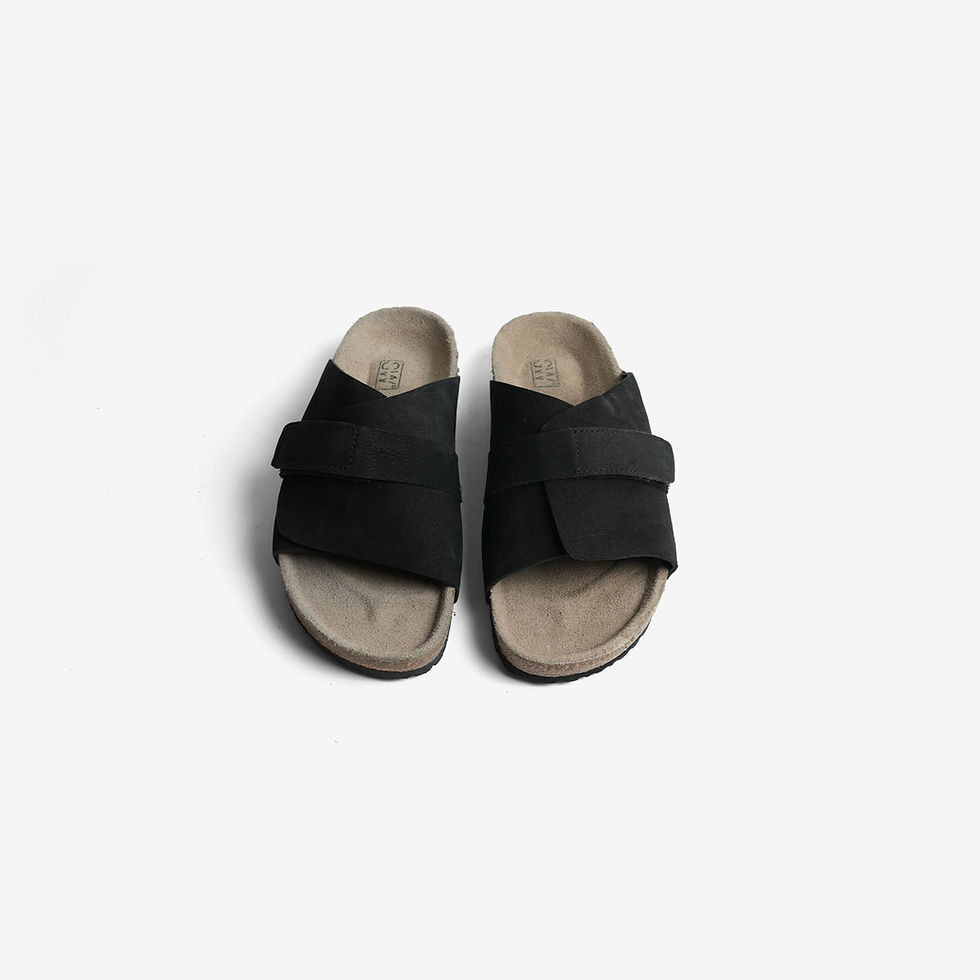
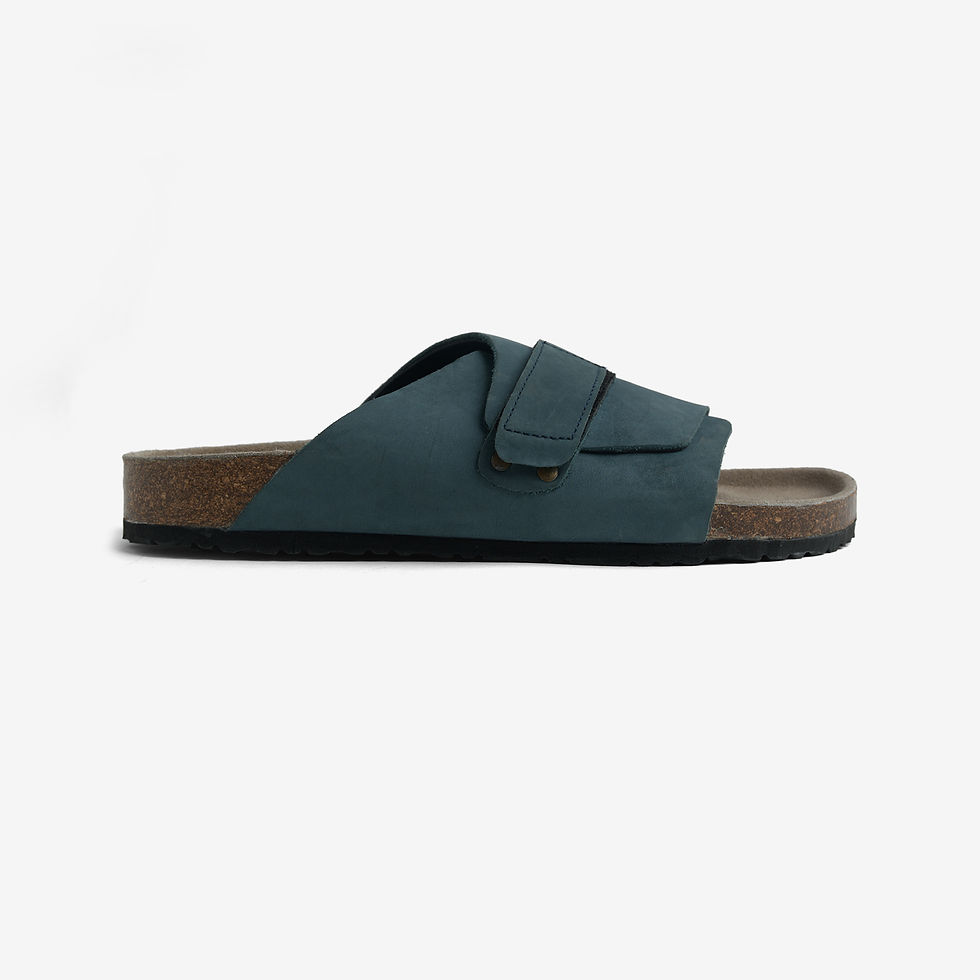
You can browse current styles on our men's footwear page and see how branding works on our private label manufacturing page. When your brief is ready, request a private label footwear quote.
Frequently Asked Questions
Can I start a leather shoe brand in India with fewer than 500 pairs?
Yes. Sanwas International works with an MOQ under 500 units per style, so a new D2C brand can launch a small range without committing to thousands of pairs. Most first runs spread that quantity across a size curve, which is why it pays to agree sizes and colours before you sign off the sample.
Will my manufacturer charge 5% or 18% GST on private label leather shoes?
As of October 2026, footwear with a sale value of up to ₹2,500 per pair attracts 5% GST and footwear above that attracts 18%, under the rates effective 22 September 2025. The rate follows the value of each supply, so the factory's invoice to your brand and your own retail price can fall in different slabs. Confirm the treatment of your price points with your chartered accountant.
How are bulk shoe orders shipped from Jalandhar to Mumbai or Bengaluru, and what paperwork is needed?
Bulk cartons usually move by road transport or a surface cargo service, with a GST tax invoice and an e-way bill for inter-state consignments above ₹50,000. A normal-cargo e-way bill is valid for one day per 200 km, so long routes such as Punjab to Mumbai or Bengaluru get several days of validity. Transit time depends on the carrier you or the factory book.
Do I need my own GSTIN before placing a private label footwear order?
It is strongly advisable. A GSTIN lets the manufacturer issue a B2B tax invoice in your brand's name, so you can claim input tax credit on the GST you pay, and most brands selling across states or through marketplaces need registration anyway. Your accountant can confirm the right registration type for your business.
Whose name goes on the shoebox — my brand's or the factory's?
Pre-packed goods sold at retail must declare the name and address of the manufacturer or packer, along with the MRP inclusive of taxes, net quantity, month and year of manufacture and consumer care details. Many private label brands print their own name as the marketer alongside the manufacturer's details. Have your final box artwork checked by a compliance adviser before printing.
Launching a Leather Footwear Brand in India? Get a Private Label Quote
Founders, D2C brands, retailers and corporate buyers can share the product category, leather type, target quantity per style, delivery city and target launch date. Sanwas International supplies brands across India and exports worldwide, and your first samples are complimentary.

Comments