
Full-Grain vs Top-Grain vs Genuine vs Bonded Leather: A Brand's Guide

Updated: 2 days ago
Full-grain vs top-grain leather comes down to one step: whether the hide's natural grain surface is kept intact or sanded away. Full-grain keeps the original surface, so it is the strongest and ages into a patina; top-grain has that surface lightly buffed and refinished for a more uniform, more stain-resistant look. "Genuine" leather is a loose marketing label rather than a grade, and bonded leather is not a hide layer at all but shredded leather fibres glued into a sheet.
For a brand placing a private label or OEM order, the grade you write on the tech pack sets durability, appearance, cost and what you can legally say on the hang-tag. Here is how the four terms actually differ, and how to specify them so your factory and your customers read them the same way.
Key Takeaways
Full-grain keeps the hide's natural grain surface intact; top-grain has that surface buffed and refinished.
"Genuine leather" means real leather rather than synthetic; it is not a recognised quality grade.
EN 15987 requires at least 50% leather fibre by dry weight before material may be called bonded leather.
Corrected, pigmented top-grain often suits heavily handled sofas and work boots; heritage jacket lines usually want full-grain.
Specify grade and layer, animal, tannage, thickness in mm and finish in writing before sampling.
The four leather grades at a glance
Grade | Which part of the hide | Surface treatment | Typical uses |
Full-grain | Top layer, grain left intact | Natural grain, aniline or light finish | Premium boots, jackets, bags, belts |
Top-grain / corrected grain | Top layer, grain buffed | Sanded, then pigmented or embossed | Mid-market footwear, upholstery, accessories |
Split ('genuine' often lands here) | Lower corium layer below the grain | Napped as suede or coated and embossed | Suede shoes, linings, budget goods |
Bonded | Not a layer: shredded leather fibres | Fibres + binder, printed or coated | Book covers, low-cost furniture, small goods |

Full-grain vs top-grain leather: where the differences show up
A hide is not uniform through its thickness. The top grain layer has tightly packed fibres and the visible pore pattern; below it, the corium is a looser, more open fibre network. Most leather heavy enough for footwear or outerwear is split horizontally into a grain side and a flesh side, and that split is where the naming starts.
Full-grain keeps every bit of the grain surface, including small scars, insect bites and growth marks. Because nothing is sanded off, it keeps the densest fibres, which is why it resists tearing and breathes well. It also shows defects, so tanneries reserve their cleanest hides for it and it costs more per square foot.
Top-grain starts from the same grain layer, but the surface is buffed to remove imperfections and then given a pigment or polymer finish, sometimes with an embossed artificial grain. Where the buffing is heavier, the trade often calls it corrected grain. You get a more consistent colour, better stain resistance and better cutting yield from imperfect hides, at the cost of some breathability and the patina that full-grain develops.
Neither is automatically "better". A work boot that needs abrasion resistance and a heavily handled sofa may both be well served by a corrected, pigmented top-grain, while a heritage jacket line usually wants full-grain, aniline or semi-aniline character. Our guide to specifying leather outerwear covers how grade interacts with thickness and finish for apparel.
What "genuine leather" and "bonded leather" actually mean
Genuine leather simply means real leather rather than synthetic. It is not a recognised quality grade. In retail it is frequently attached to split leather or heavily corrected grain, so if a supplier quotes "genuine leather", ask which layer and what finish.
Split leather is the lower layer separated from the grain. Napped, it becomes suede; coated with a polyurethane film and embossed, it can look like grain leather but will not wear like it. Heavily coated material deserves scrutiny: industry body SATRA notes that the British leather definition (BS 2780) only treats a material as leather if any surface coating is 0.15 mm thick or less (SATRA: genuine leather or lookalike material?).
Bonded leather is made from leather scraps that are shredded, mixed with a binder such as polyurethane or latex, and pressed into sheets. The European leather terminology standard EN 15987 sets a minimum of 50% leather fibre by dry weight before the term "bonded leather" may be used. In the US, the Federal Trade Commission's leather guides say ground or bonded material should not be sold simply as "leather" and should disclose its leather-fibre percentage, for example "Bonded leather containing 60% leather fibers and 40% non-leather substances" (16 CFR Part 24).
Matching the grade to the product
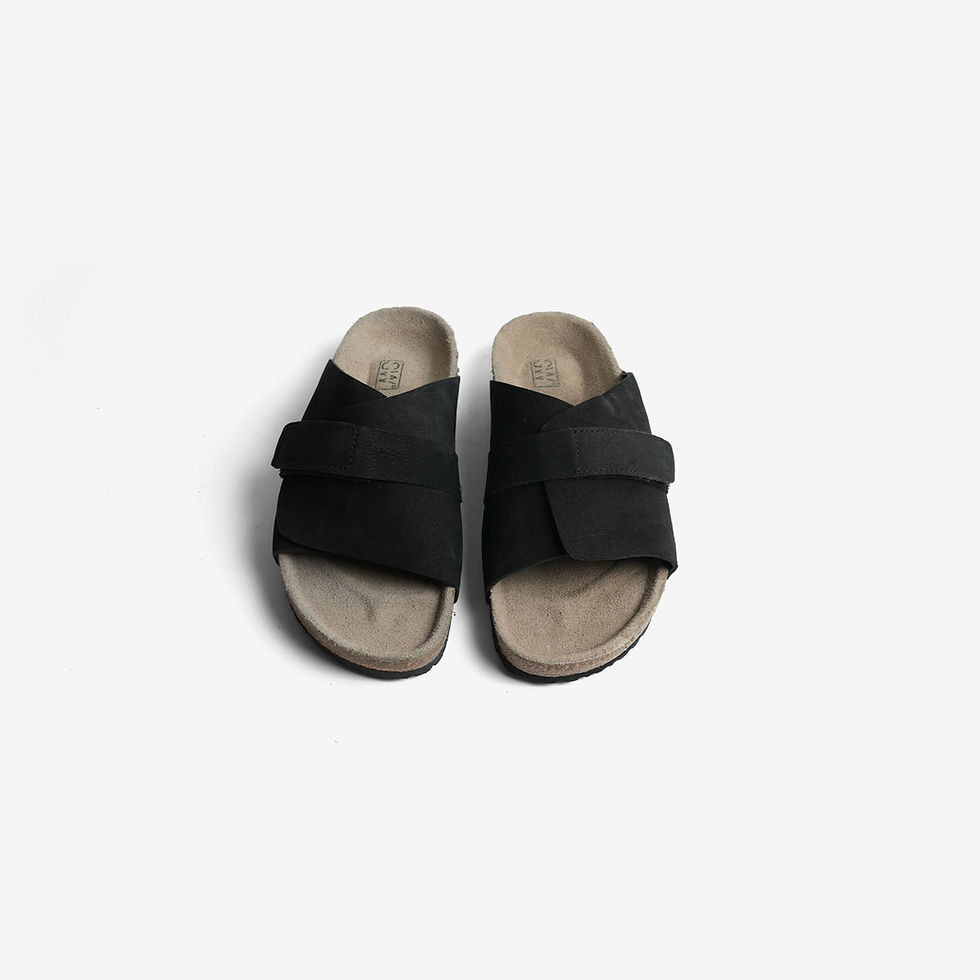
Footwear uppers: full-grain or top-grain for structure and comfort; suede splits for casual styles. Bonded material is generally unsuitable for flexing uppers.
Leather jackets: full-grain or lightly corrected top-grain in lamb, goat or cow for drape; splits mainly for suede styles.
Upholstery: corrected, pigmented top-grain for durable family furniture; full-grain aniline for premium pieces where patina is a selling point.
Belts, harnesses and technical products: full-grain, often vegetable-tanned, because tensile strength matters more than surface uniformity.
Price-led accessories: finished splits can work if you label them accurately and test coating adhesion.
How to specify grade in a private label order
Words like "premium" or "genuine" invite misunderstanding. A factory can only hit what you define, so put these points in writing before sampling:
Grade and layer: full-grain, top-grain/corrected or split, with no unexplained terms.
Animal and tannage: cowhide, buffalo, goat or sheep; chrome, vegetable or combination tanned.
Thickness range in millimetres for each component, measured after finishing.
Finish type: aniline, semi-aniline, pigmented, nubuck, suede or coated, plus colour standard.
Acceptable natural marks, and which panels must be clean (for example, toe caps or jacket fronts).
The exact wording you plan to use on labels, so the material you receive supports the claim.
How Sanwas International works with brands
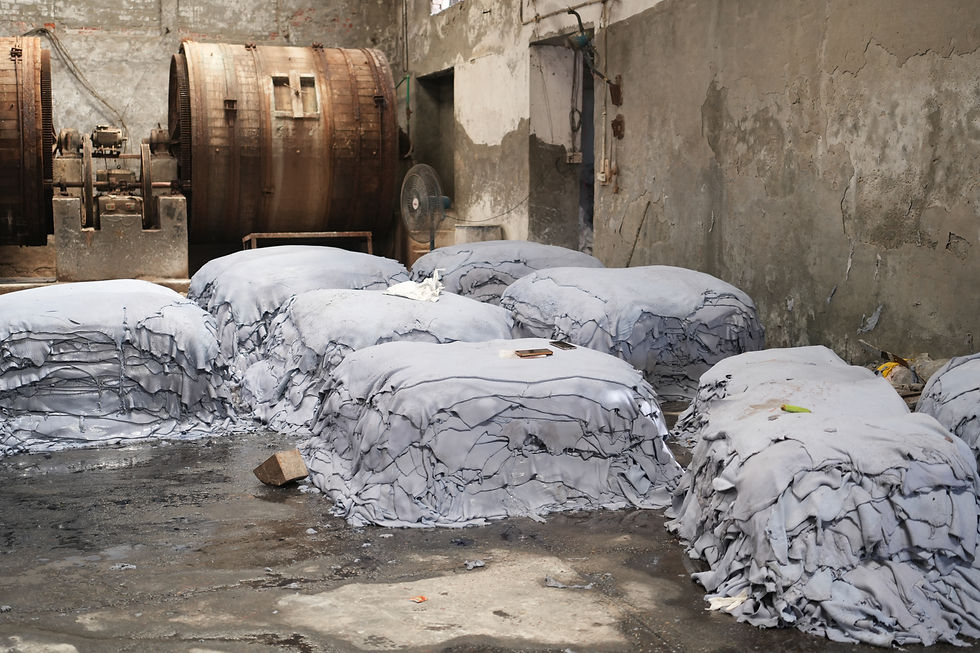
Sanwas International, based in Jalandhar, Punjab, supplies leather hides as well as finished footwear, outerwear and furniture leather. That lets a brand compare grades side by side through complimentary first samples, with sampling from 72 hours, MOQs under 500 units per style and AQL inspection before shipment. We are LWG certified; see our explainer on what LWG certification means.
If you are deciding between full-grain and top-grain for a new line, explore our private label leather manufacturing and leather hides sourcing options, or send us your brief and we will suggest grades to sample.
Frequently Asked Questions
Is top-grain leather real leather?
Yes. Top-grain comes from the same outer grain layer of the hide as full-grain; the difference is that its surface has been buffed and refinished. It is still a single piece of real hide, unlike bonded leather, which is reconstituted from fibres.
Why is full-grain leather more expensive than top-grain?
Full-grain needs hides with fewer surface defects, because nothing is sanded away to hide scars or marks, and cutting yield is lower when blemishes have to be avoided. Top-grain can use a wider range of hides because buffing and finishing even out the surface, which lowers the cost per usable square foot.
Can I label split leather or bonded leather simply as "leather" when selling in the US or EU?
For bonded material, generally no: the US FTC guides call for disclosing the percentage of leather fibre, and EN 15987 in Europe requires at least 50% leather fibre before the term bonded leather is used. Split leather is real hide, but describing it accurately avoids misleading customers. Check current rules for your market with a compliance adviser.
Which leather grade is best for a first private label collection?
It depends on the product and price point rather than on one "best" grade. Many first-time brands sample the same style in full-grain and a corrected top-grain to compare hand-feel, look and landed cost before committing. Low MOQs make that comparison affordable.
How can I check the grade of a leather sample myself?
Look at the surface under good light: full-grain shows natural pores and minor variation, while corrected grain looks very uniform and may carry an embossed pattern. Examine a cut edge to see whether a thick coating sits on top of the fibres, and ask the supplier for a written specification of grade, layer and finish.
Compare Leather Grades on Your Own Samples: Request a Quote
Brands, sourcing managers, retailers and importers can share the product category, leather grade and finish, target quantity per style, delivery location (Indian city or destination country), preferred Incoterm and target delivery date. We will suggest grades to sample side by side; first samples are complimentary. Sanwas International supplies across India and exports worldwide.

Comments